What Is Foster Care Awareness Month?
Every May, Foster Care Awareness Month brings national attention to one of the most urgent yet overlooked issues in our communities: the need for more safe, stable homes for children in foster care.
Across the United States, more than 300,000 children are currently in or impacted by the foster care system. These children have been removed from their homes due to unsafe conditions, neglect, or family crises. Foster care exists to provide temporary, supportive environments while families receive the support they need to work toward reunification or other long-term outcomes.
There are often not enough foster homes to meet the evolving needs of children entering care—especially for older youth (teens), sibling groups, and children with specialized needs. This shortage leads to instability, extended stays in temporary placements, and, in some cases, children being placed far from their communities.
That’s why Foster Care Awareness Month isn’t just about understanding the issue—it’s about responding to it.
Key Foster Care Facts
- Over 300,000 children are currently in or impacted by foster care across the U.S.
- Whenever it is safe and possible, children are first placed with relatives or trusted kin. When that isn’t an option, they still need a safe, supportive place to call home.
- The average child in care is elementary-aged, with many being older youth
- When there are not enough homes, children can experience multiple placements, be separated from their siblings, or be forced to move away from their community, further disrupting their sense of stability
- Every year, thousands of teens “age out” of the system without a permanent placement or place to call home, putting them at high-risk for homelessness
- When children don’t have a stable, consistent home, they face greater risks of mental health challenges and disruptions to their education—making it harder to graduate high school or pursue college
These Foster Care Facts reveal a system that depends on consistent, compassionate adults and stable home-life settings.
Our role at Every Child Arkansas is to support and guide families—helping them navigate the path to becoming a foster parent with greater clarity and confidence.
Understanding the Foster Care System: Challenges and Realities
While foster care plays a critical role—and states work hard every day to ensure children have safe, supportive homes—there are ongoing challenges that can impact outcomes:
Limited availability of licensed foster homes
Agencies are continually recruiting and supporting families, but there are times when more homes are needed—especially for children with higher or more specialized needs.
Awareness of where the need is greatest
Often, it’s not a lack of care or commitment—it’s that many people don’t realize how they can help or where families are most needed. When there aren’t enough available homes for certain situations, children may be placed in group or congregate care settings. These environments can provide important, structured support, though they often don’t match the consistency or personalized care children receive and need in a family setting.
Placement stability
Minimizing moves is a priority, as stability supports children’s education, relationships, and emotional well-being. Transitions can still occur as child welfare organizations work to find the best long-term fit for each child.
Meeting complex needs
Children entering care today can have complex needs, requiring additional resources, specialized training, and strong support systems for foster families.
These challenges reflect the importance of continued community partnership—because when more families and supports step forward, it strengthens outcomes for children and the system working to serve them.
The Nationwide Need for Diverse Types of Foster Homes
Across the country, states are working hard to recruit, train, and support foster families—but the needs within foster care continue to evolve.
It can seem like having the same number of foster homes as children in care would meet the need—but what matters most is having the right homes for the right situations. A strong system includes a range of families prepared to support different ages, sibling groups, cultural backgrounds, and levels of need.
For example, a county might have 10 children in care and 10 licensed homes. On paper, that looks balanced. But if those children are teens, part of sibling groups, or have specialized needs—and none of the available homes are equipped or open to those situations—there may be few or no appropriate placements locally. That can lead to siblings being separated or children needing to be placed outside their community while a better match is identified.
The goal is to have a diverse pool of foster homes in every community, so children can stay close to their schools, relationships, and support systems—and be matched with families who feel prepared for their needs.
Because of this, the need isn’t just for more homes overall—it’s for the right types of homes, including those able to support teens, sibling groups, and children with more complex needs.
States and communities continue to adapt and strengthen their networks of care. Progress depends on growing awareness and support from more people willing to step in—whether through fostering or other meaningful roles.
Local Impact: How to Become a Foster Care Parent in Arkansas
In Arkansas, the foster care system reflects many of the same dynamics seen across the country—while continuing to make strong efforts to ensure children have safe, supportive homes.
Like many states, Arkansas is working to grow and diversify its network of foster families, especially in rural and underserved areas. At times, this can mean children are placed outside their immediate community or school district while teams work to find the best available match—something states actively aim to minimize whenever possible.
Organizations like Every Child Arkansas play an important role in supporting this effort. By connecting individuals and communities to practical ways to get involved, they help expand the network of care around foster families and children.
For those considering fostering in Arkansas, the process is often more accessible than people expect. With training, guidance, and ongoing support, people from many different backgrounds can step into this role in ways that align with their capacity.
Continued progress comes from community awareness and participation—helping ensure that children can be supported in homes that are the right fit, as close to their communities as possible.
If you’re curious about how you might be part of that, you can start by connecting with Every Child Arkansas and exploring ways to get involved at your own pace.
Beyond the System: Foster Care as a Community Effort
Foster care is often thought of as a system—but it’s really made up of people showing up in different ways.
Children in care need more than a place to stay. They benefit from staying connected to their community, and better outcomes for children strengthen a community as well.

When children can be placed in homes near their established community, it helps them:
- Stay connected to their school, minimizing disruption to learning and friendships
- Preserve relationships with family, siblings, and trusted adults already in their lives
- Maintain community ties like coaches, mentors, neighbors, and faith communities
- Reduce trauma during an already difficult transition by keeping familiar surroundings
- Supports emotional stability through routines and recognizable places
- Improves access to existing services such as therapy, healthcare, and extracurriculars, like their favorite sport or arts activity
- Strengthen cultural and identity connections within their own community
- Increase chances of reunification by keeping children close to their family and support network
Families—both foster and biological—also benefit from having support around them. That support can come in many forms, big or small.
When communities are aware and engaged, it helps create stronger, more connected experiences for everyone involved.
Foster care isn’t something any one group carries alone—it works best when people find ways to be part of the circle of support.
Why Family Settings Matter: The Value of Foster Homes
Family-based foster care offers children consistent, everyday relationships in a home environment where they can feel safe and seen as individuals.
Compared to group or congregate settings, foster homes can often provide:
- More personalized attention and emotional connection
- Greater stability in school, extra-curricular activities, routines, and friendships
- Opportunities to build trusting relationships over time
- A home environment that supports healing and healthy development
These experiences can make a meaningful difference in a child’s ability to adjust and build long-term well-being.
Expanding access to supportive foster families helps ensure more children can be placed in environments that best meet their needs.
The Greatest Needs in Foster Care Today
Every child in foster care brings their own unique story, strengths, and needs—and some situations call for families who can offer a little extra understanding and care. The following children and youth are especially in need of more foster care support:
Teens
Teenagers are at an important stage of growth and identity. With steady, supportive adult relationships, they have space to build confidence, independence, and hope for the future.
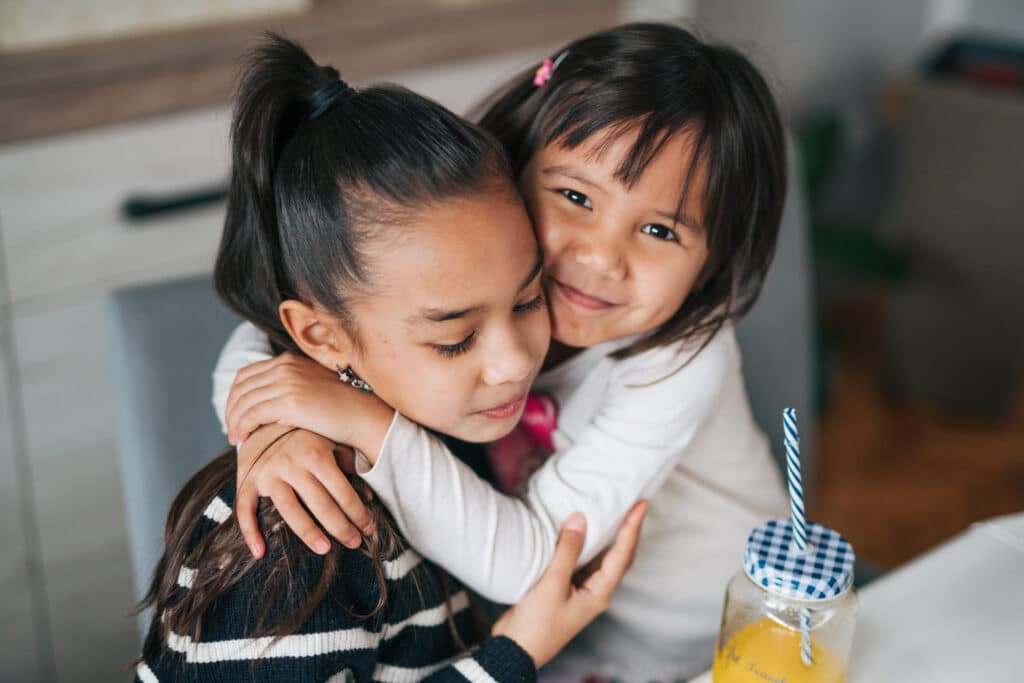
Sibling Groups
Siblings often provide each other with comfort and familiarity during uncertainty. When they can stay together, that bond becomes an important source of stability and reassurance.
Transition-Age Youth
Young people moving toward adulthood benefit from continued connection and encouragement as they prepare for independence. Ongoing support during this stage can make a lasting difference.
Children with Medical, Emotional, or Developmental Needs
Some children need caregivers who can offer extra patience, flexibility, and access to supportive services so they can thrive at their own pace.
Culturally Connected Placements
Children do best when their cultural identity is honored and reflected in their daily life, helping them feel a stronger sense of belonging and continuity.
Each of these situations reflects an opportunity for a family to offer care and meaningful connection when it matters most.
Lasting Impact: the Benefits and Power of Fostering
Fostering creates lasting change that reaches far beyond a single moment in time.
For children, it offers:
- Stability during times of uncertainty
- Space to heal, grow, and feel safe
- Continued access to school, support, and opportunity
For foster families, it can bring:
- A deep sense of purpose and meaning
- Personal growth through relationship and experience
- Lasting connections that expand what family can look like
For communities, fostering helps build stronger, more connected systems of care where children and families are supported together.
The impact of fostering is both immediate and lasting—shaping lives in ways that continue long after a child enters a home.
Support Systems Matter: The Importance of Supporting Foster Parents
Foster parenting is meaningful work—and it’s not meant to be done in isolation.
Strong support for foster parents helps make the journey more sustainable and includes:
- Training and preparation to build confidence
- Mentorship and ongoing guidance
- Access to helpful resources and services
Organizations like Every Child Arkansas help connect foster families with these kinds of supports so they feel equipped, encouraged, and not alone in the process.
Because when foster parents are supported, children feel it too—and everyone benefits from a stronger circle of care.
What to Expect: Guidance for Individuals and Families Exploring Foster Care
If you’re thinking about becoming a foster parent, it’s completely natural to have questions, uncertainties, or even hesitation.
Here’s a general sense of what the process looks like:
- A guided and structured process that includes training and a home assessment
- Ongoing support from agencies and community partners
- Opportunities to learn and grow throughout the journey
Many people wonder, “Am I ready?” or “Do I have enough to offer?”—and those are important, thoughtful questions. Foster care isn’t about having everything figured out or being perfect. It’s about showing up with care, consistency, and an openness to learn.
For many, becoming a foster parent becomes a meaningful part of their life’s story, offering a real opportunity to make a difference in a child’s life. And you don’t have to navigate it alone. There’s support available at every step along the way.
How You Can Help Right Now
Not everyone will become a foster parent—but everyone can play a meaningful role in supporting children and families.
- Volunteer your time
Support local efforts and initiatives led by organizations like Every Child Arkansas and community partners.
- Support a foster family
Help in practical ways—meals, supplies, childcare support, or encouragement.
- Help raise awareness
Share information and help others understand where support is needed.
- Build foster-friendly communities
Contribute to spaces where foster families feel supported and connected.
- Engage your organization
Partner with Every Child Arkansas and local efforts to expand support and increase impact.
There are many ways to contribute—and each one helps strengthen the network of care around children and families.
Next Step: Explore Becoming a Foster Parent

If something in this article resonates with you, the next step can simply be learning more and seeing what feels right for you.
In Arkansas, the foster care process typically includes:
- Submitting an application
- Completing required training
- Participating in a home study
- Receiving ongoing support along the way
Throughout this journey, organizations like Every Child Arkansas provide guidance and connection to help you take the first steps with clarity and support.
You don’t need to have everything figured out upfront. You just need a willingness to take the first step and stay open to what comes next.
Awareness to Action During Foster Care Awareness Month
Foster Care Awareness Month is a starting point—it’s an invitation to learn and engage with what being a part of foster care might mean for you or your family. Behind every number is a child whose life is changed from knowing you and having the stability and meaningful connection they deserve.
While the needs are real, so is the opportunity to strengthen the network of support around children and families. When individuals, families, and communities choose to get involved in ways that fit their capacity, the system becomes more responsive and connected—and we all benefit from this movement (especially children who need our advocacy)!
It starts with one decision: to get involved.
Learn more at Every Child Arkansas.